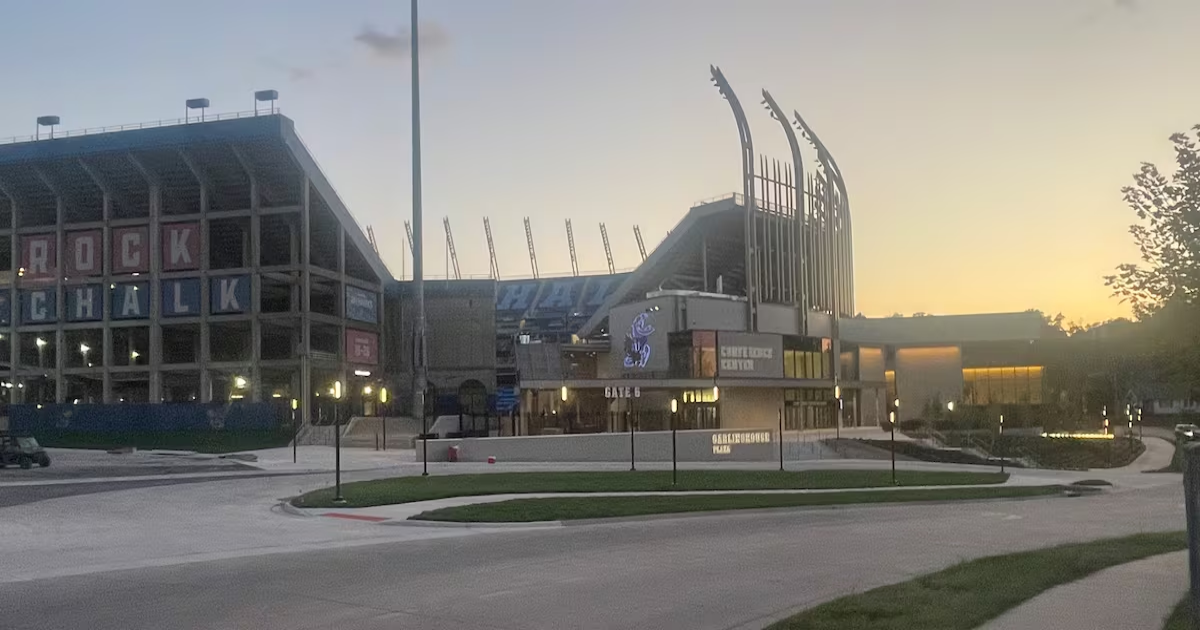
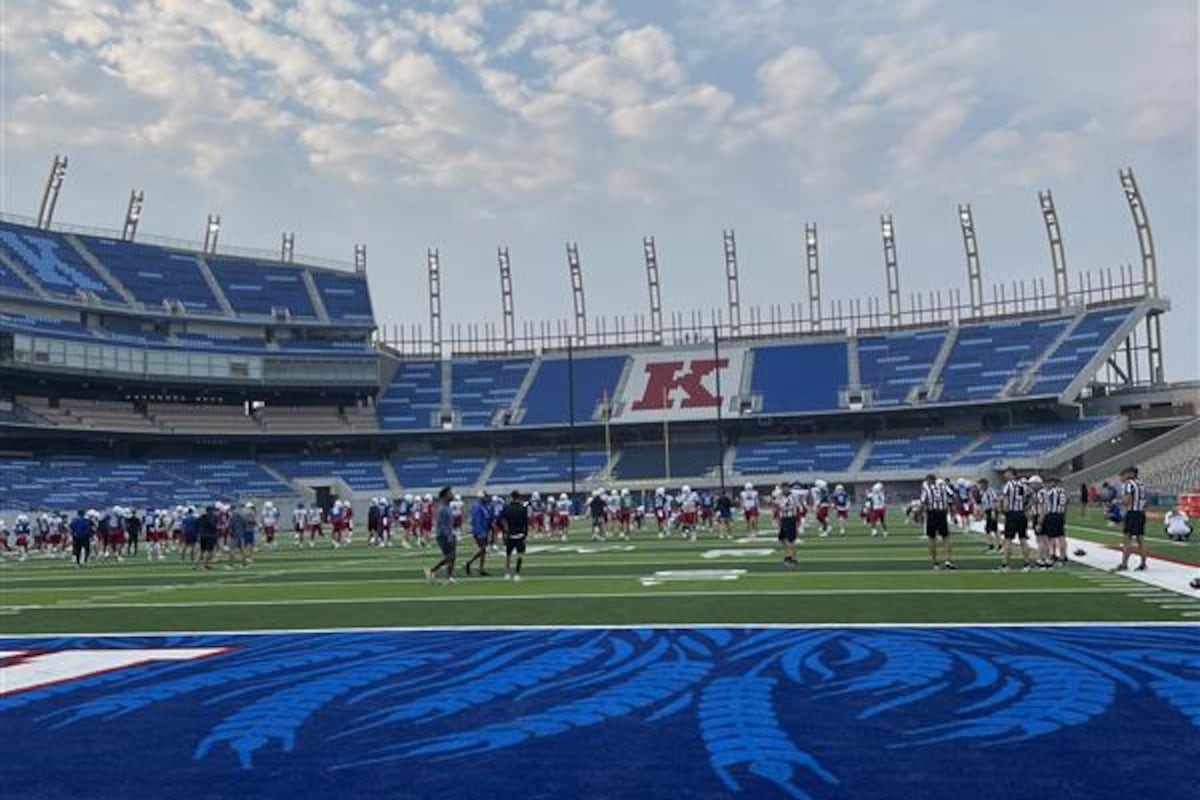
LAWRENCE, Kan. (KCTV) – In less than two weeks, Jayhawk football will play its first game in a practically new stadium. But football is just one part of what the school wants to do with the space.
They call it the KU Gateway Project. The vision is for a mixed-use development with an estimated price tag of almost $800 million.
Tuesday night, the city commission agreed to a $94.6 million tax incentive package to help phase two happen.
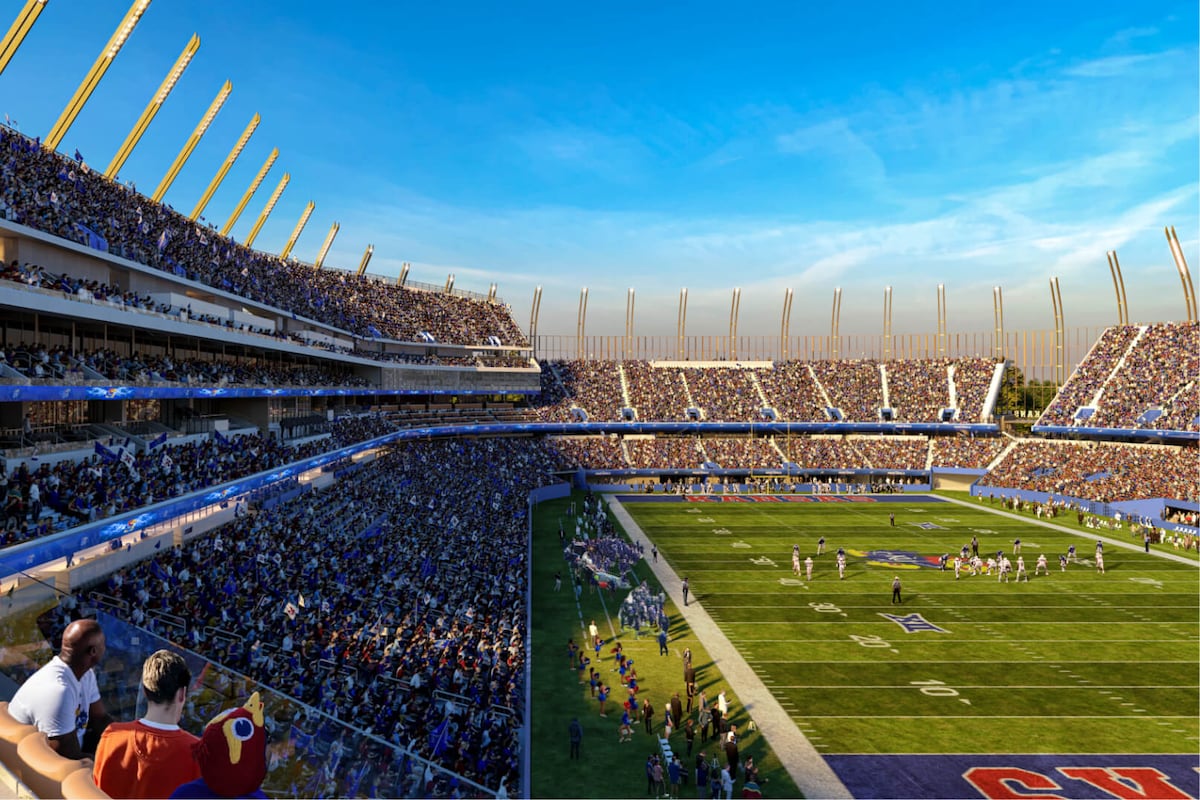
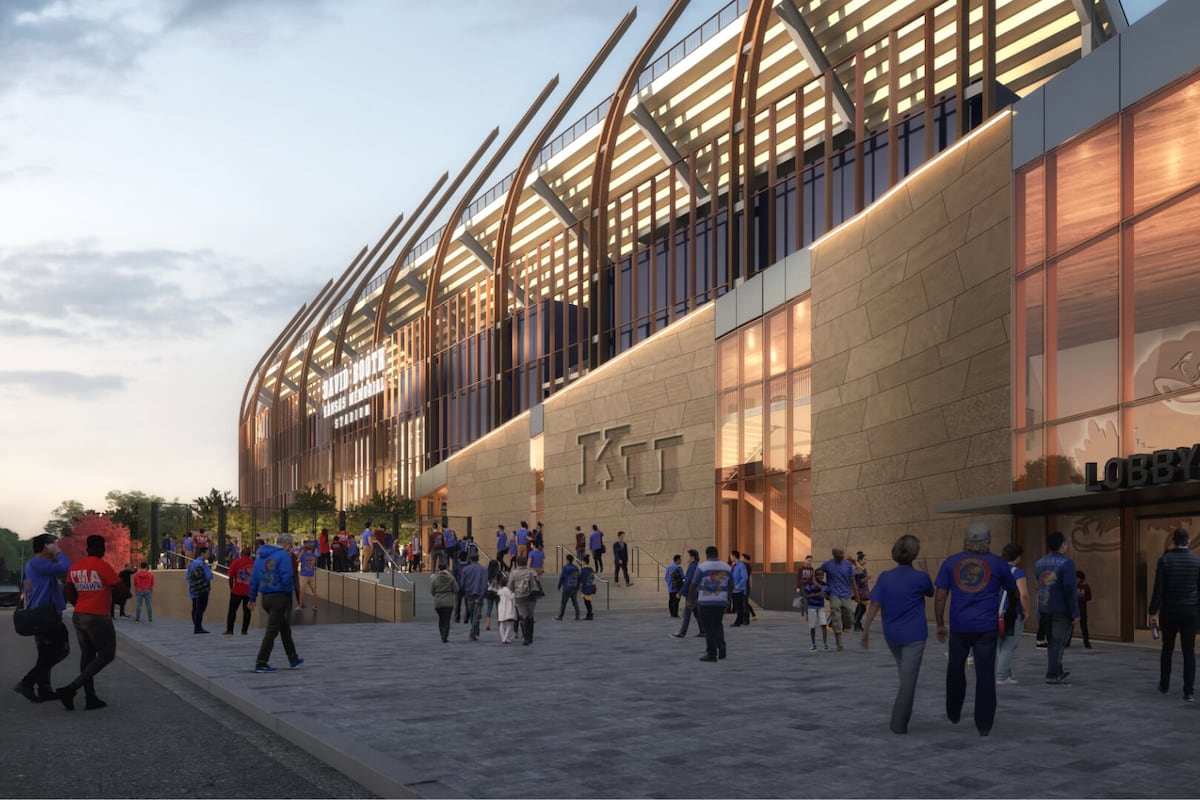
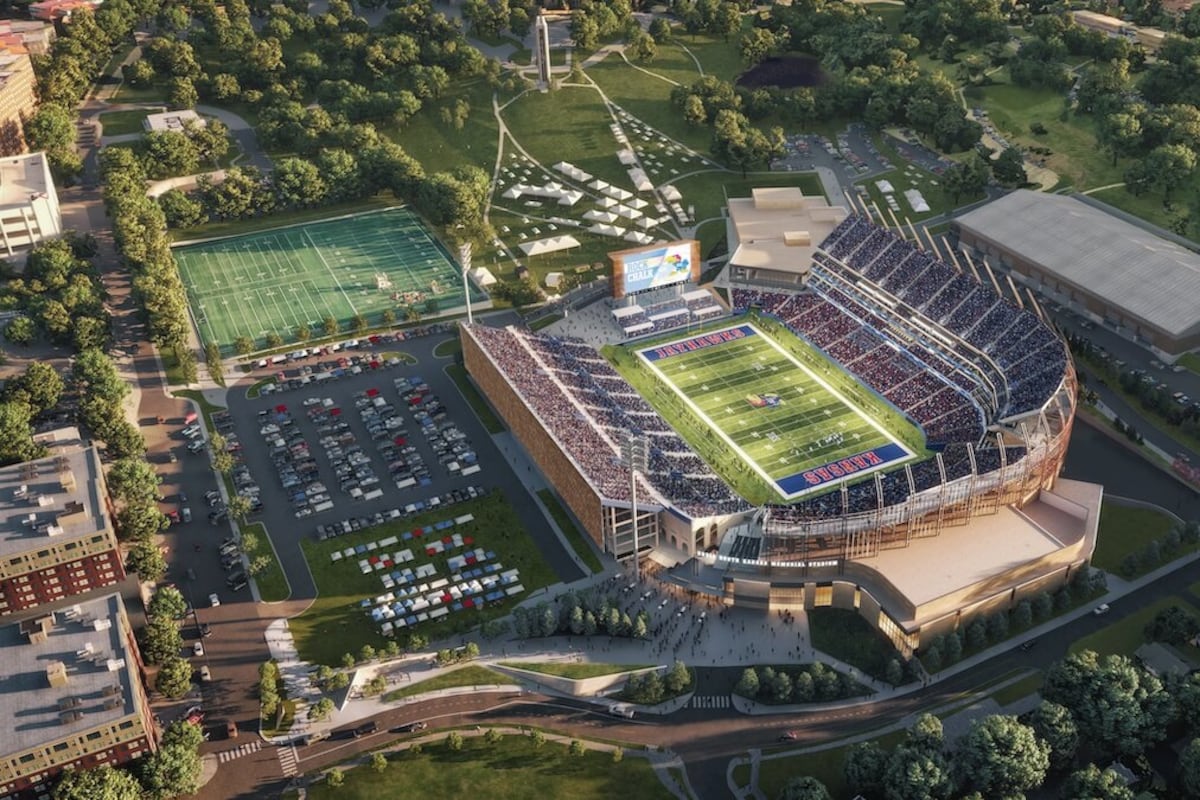
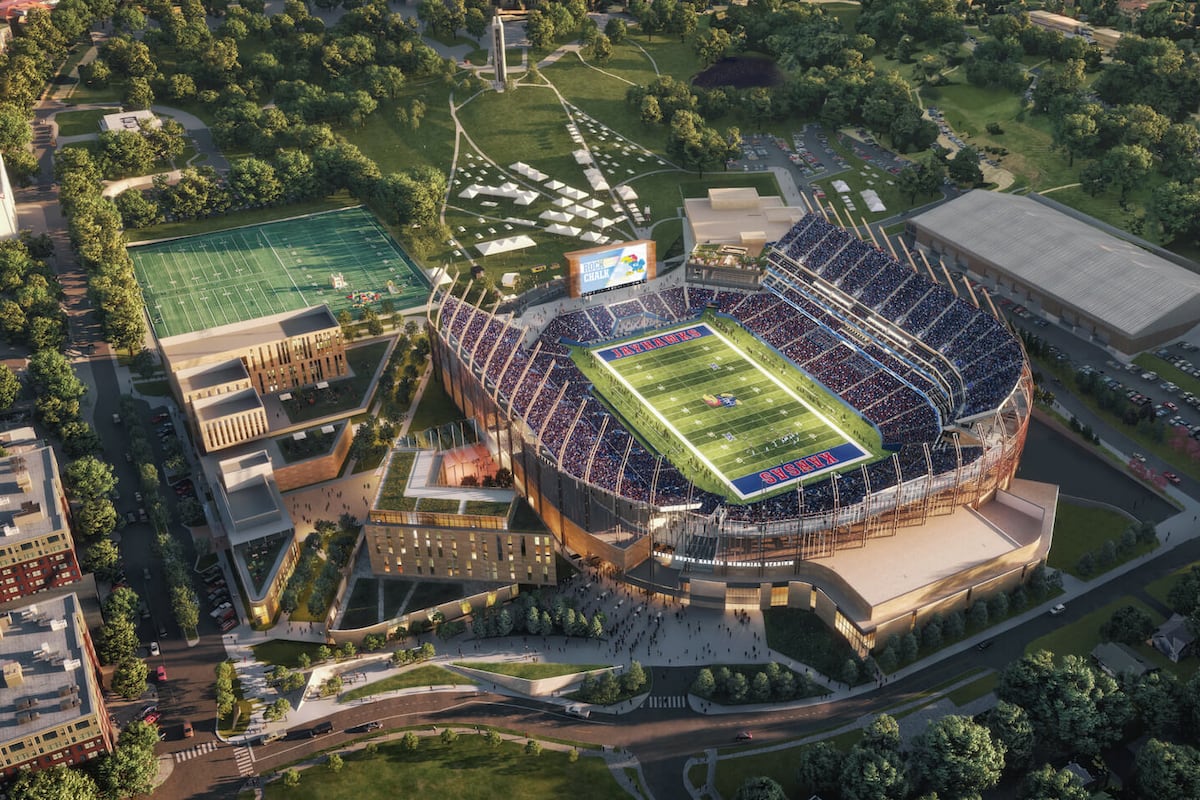
Phase one, at a cost of $448 million, includes significant renovation of the north and west sides of the stadium and the surrounding football facilities, making it a multi-use stadium. It also includes the construction of a built-in 55,000 square foot conference center. The state contributed $85 million for the conference center. Phase one will be completed at the end of this month.
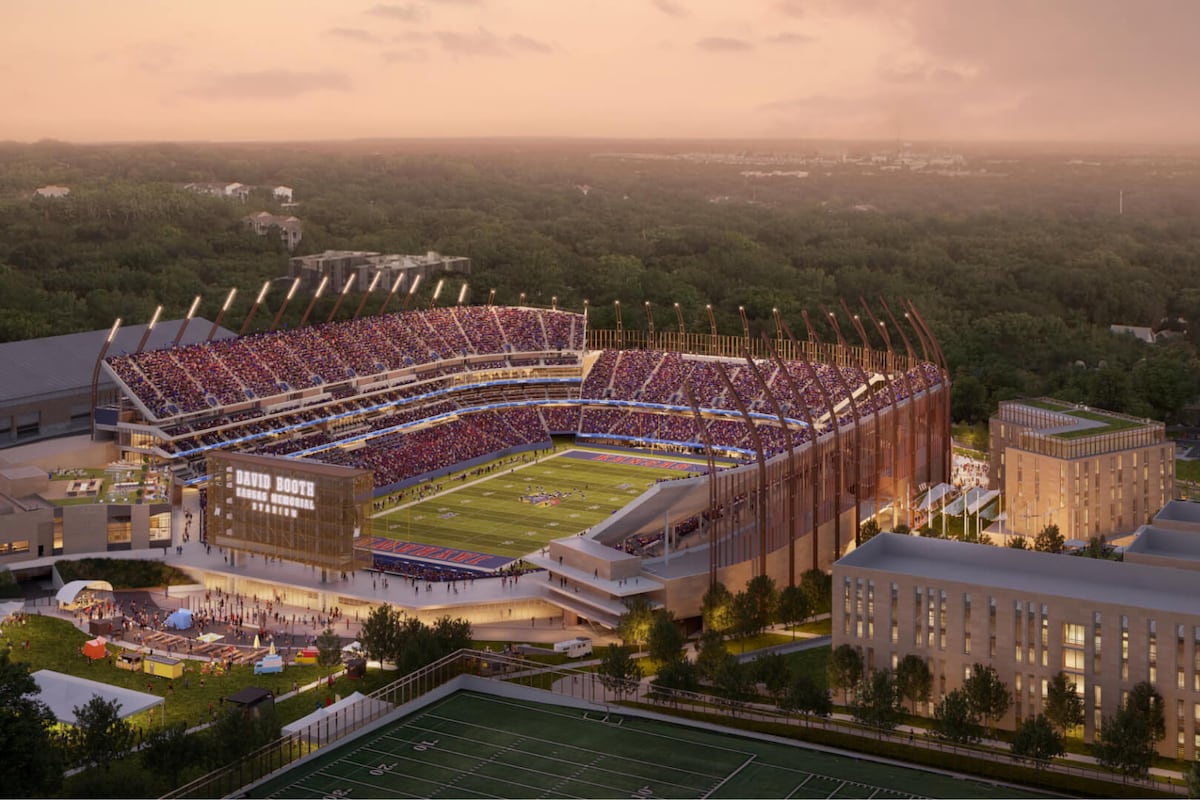
The incentives the city approved are for phase two. That includes rebuilding the east side and adding a mixed-use development adjacent to the east side of the stadium. KU Chief Financial Officer Jeff DeWitt posited that the conference center alone will bring outside income.
“Think about when you go to a conference,” DeWitt said. “You go visit the local community, go to the restaurants.”
When asked if any bookings had occurred yet, DeWitt said only small social gatherings so far. He said out-of-town conferences typically don’t want to come during construction or without a “Marriott quality” hotel.
READ MORE: KU’s Gateway District gifted $25 million from alumni Paul and Linda DeBruce
Such a hotel is one piece of phase two. That’s one reason Vice Mayor Brad Finkeldei expressed his support.
“We have a convention center that we can’t use because we don’t have a hotel to go with it,” said Finkeldei. “I think the biggest driver is to have a hotel to make it successful.”
Phase two also plans to include a parking garage, student housing, retail, restaurants, and an outdoor entertainment plaza.
DeWitt described the expanded use as “kind of like T-Mobile outdoors.”
That’s something some residents are worried about.
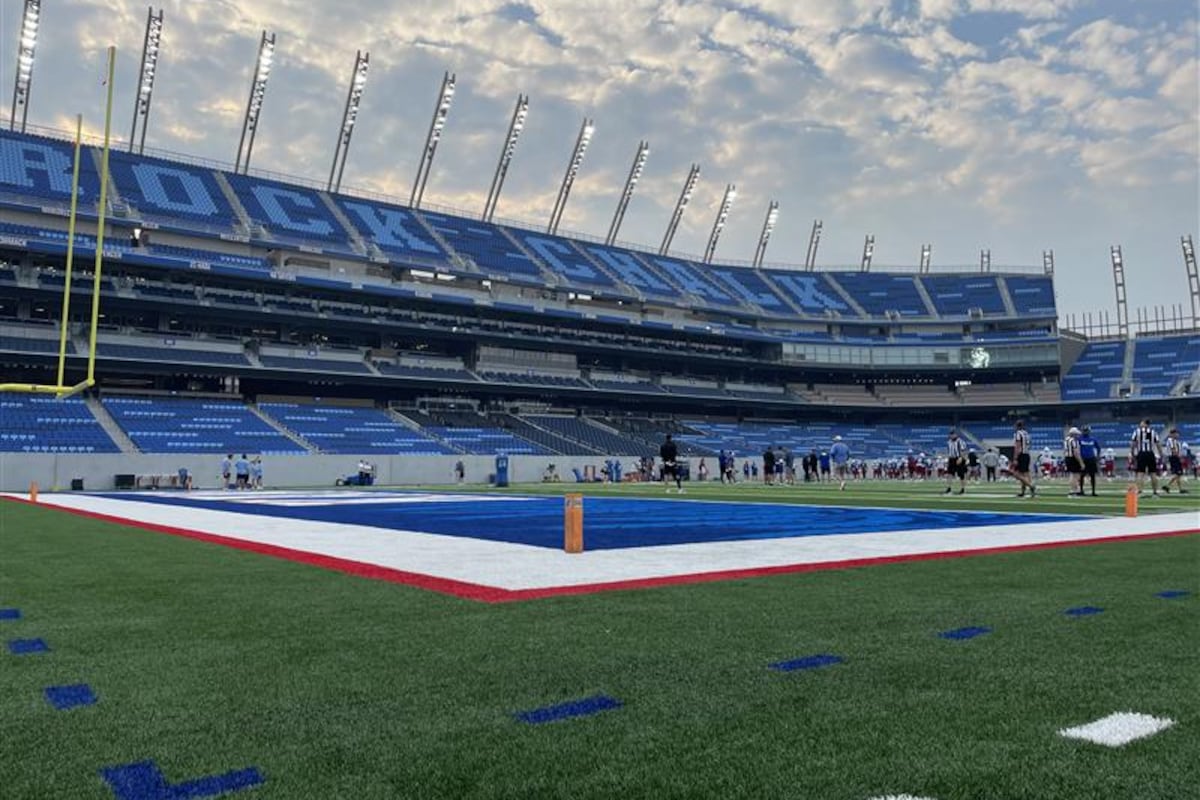
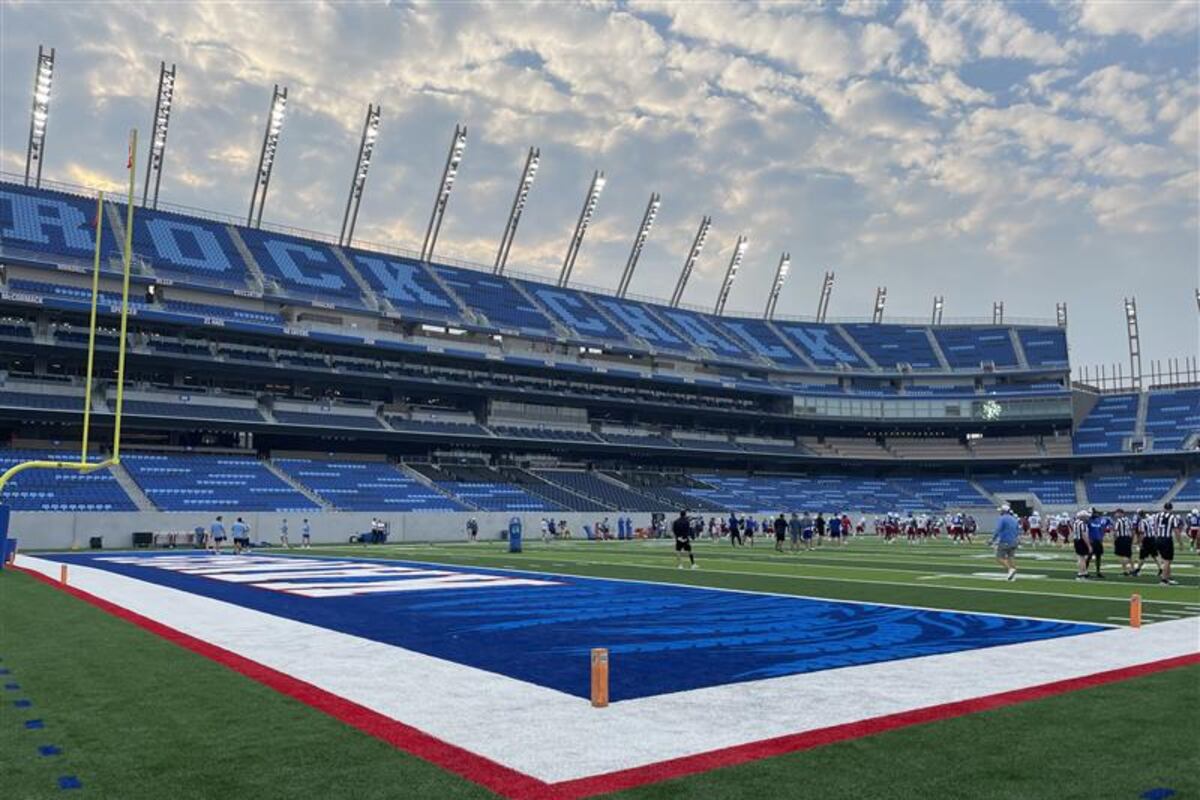
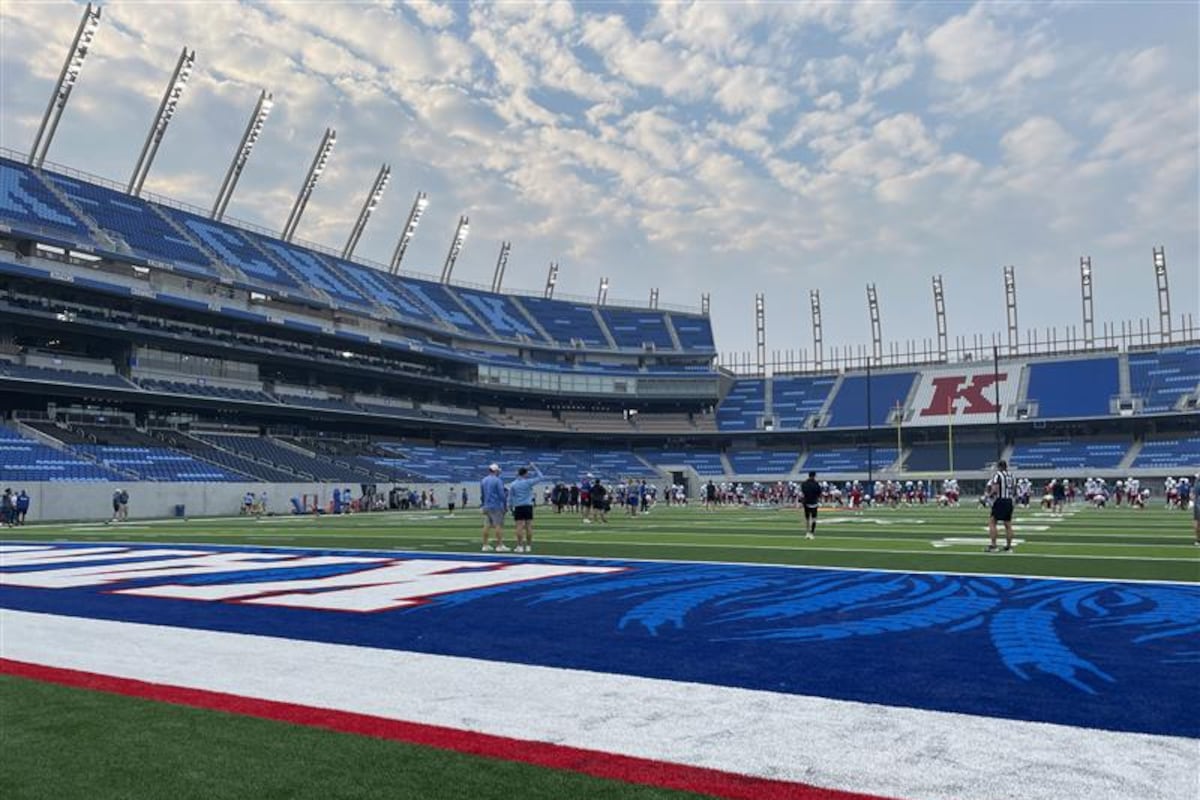

“We’re going to have a hotel here, a convention there, weddings there,” one man said during the hearing, “but what about the neighborhood that it’s going to destroy?”
Lawrence City Commissioner Amber Sellers also raised concern about the decibel level at concerts.
Another resident praised the deal. He remarked that private developers get similar incentives, with the exception of the STAR bonds, which make up the bulk of the bond funding and involve primarily state sales taxes.
“That just makes no sense to me why you wouldn’t want to support this funding mechanism,” he said.
Incoming junior Kyle Mead has been watching phase one for the past year from his apartment off campus. He is excited to see it grow.
“I think it’ll be great for Lawrence,” Mead said. “I think it’ll bring a lot of people to town and possibly concerts and be able to use it year-round. I think this is great for Lawrence and the campus itself.”
The incentives approved, though not unanimously, include multiple types of bonds.
The STAR bonds project will redirect sales tax revenue in the district that exceeds what’s currently collected towards paying back the bonds. That’s 71% of the bond funding, amounting to $67.1 million.
The TIF (Tax Increment Financing) project plan redirects incremental property tax revenue. As property is developed, valuation increases. That increment will be captured by TIF and redirected to pay bonds. That’s $22.2 million or 23% of the bond package.
The CID (Community Improvement District) will add a 2% sales tax to pay off $5.3 million in bonds. It accounts for 6% of the funding.
The bonds will fund less than a third of the estimated $346 million phase two cost. The rest will need to come from the university or private developers.
Copyright 2025 KCTV. All rights reserved.